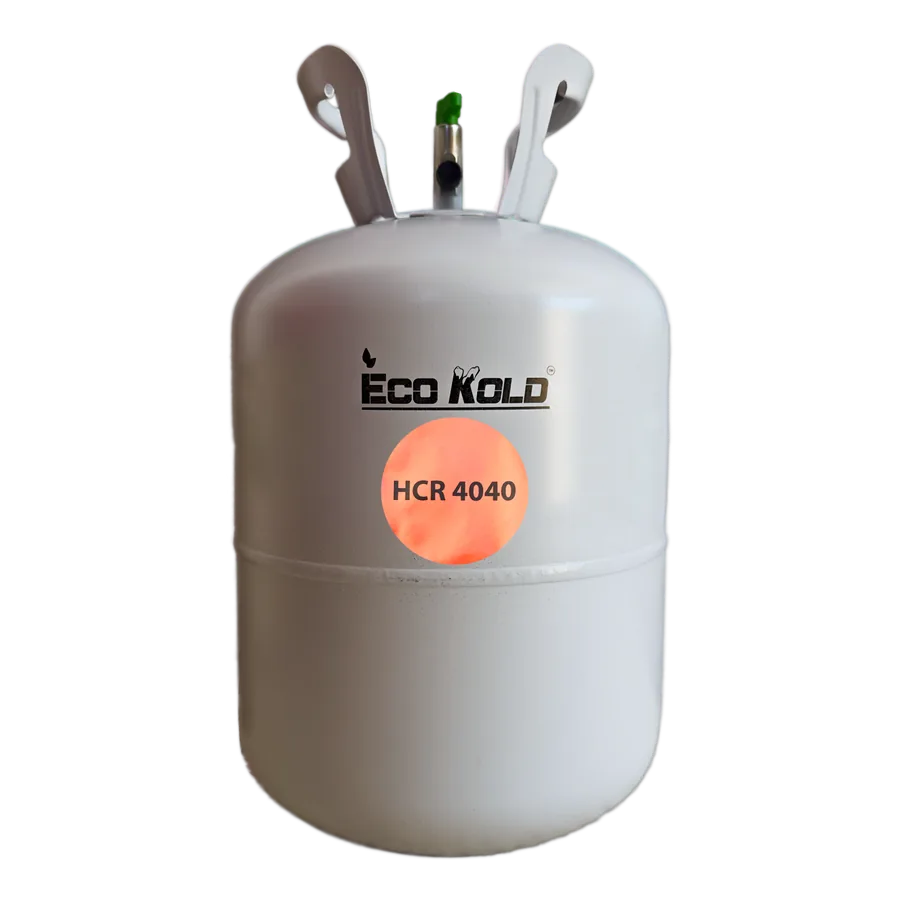
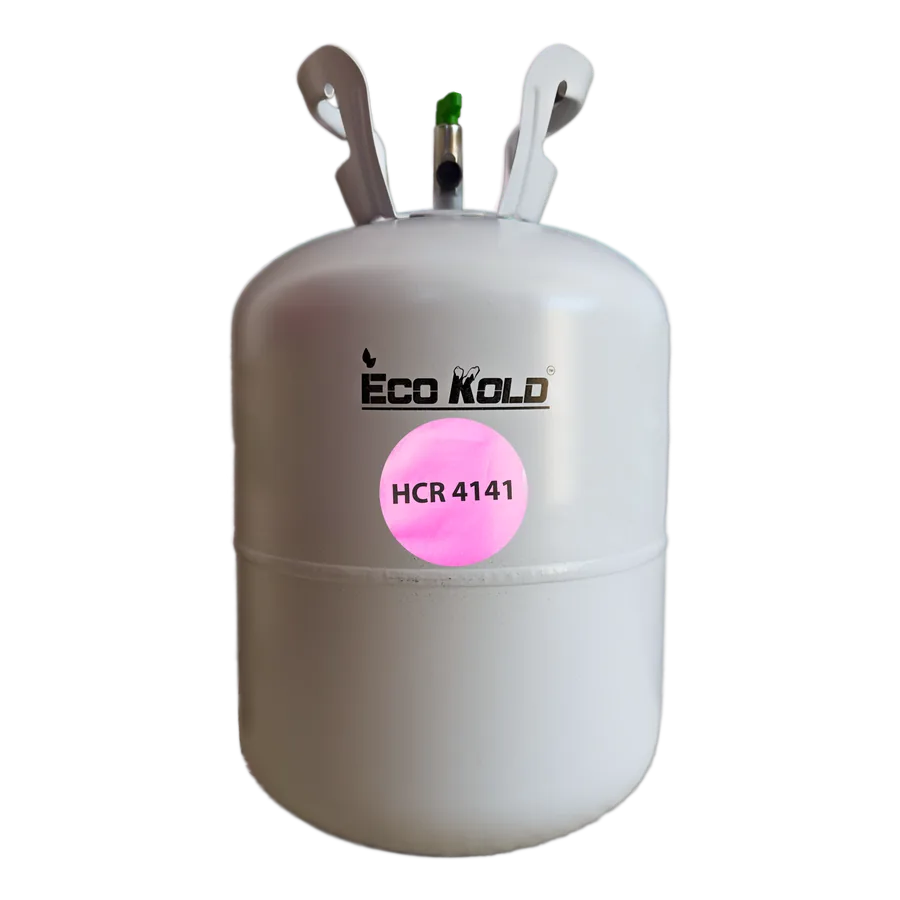
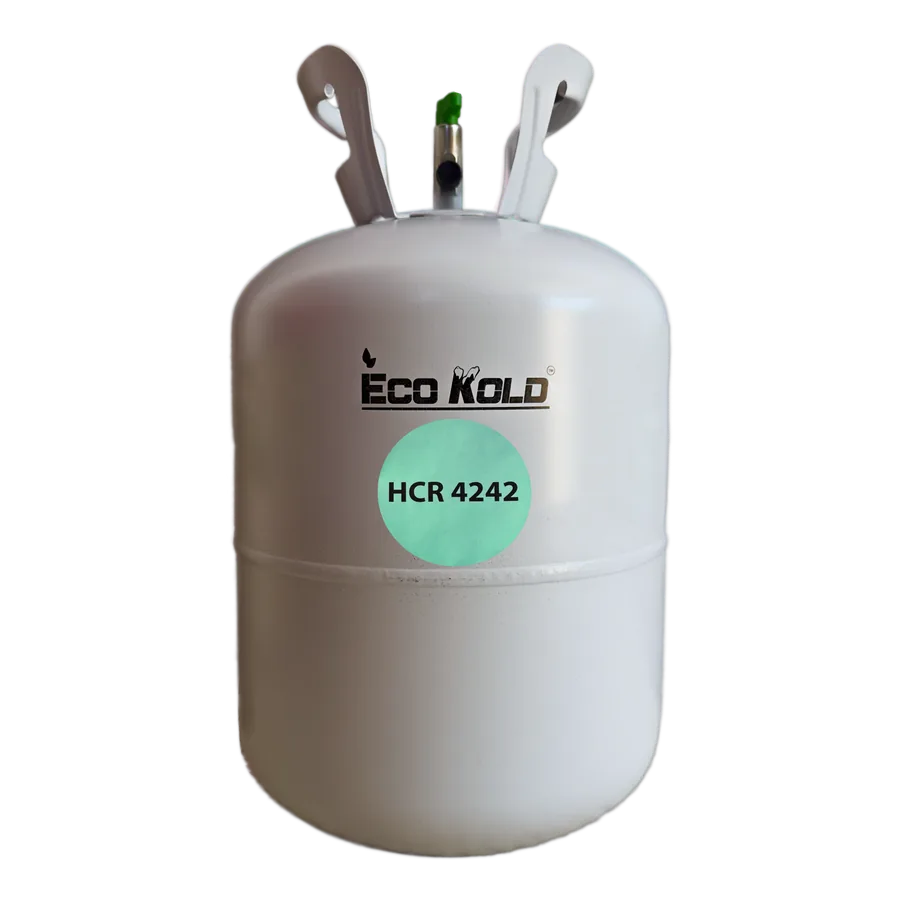
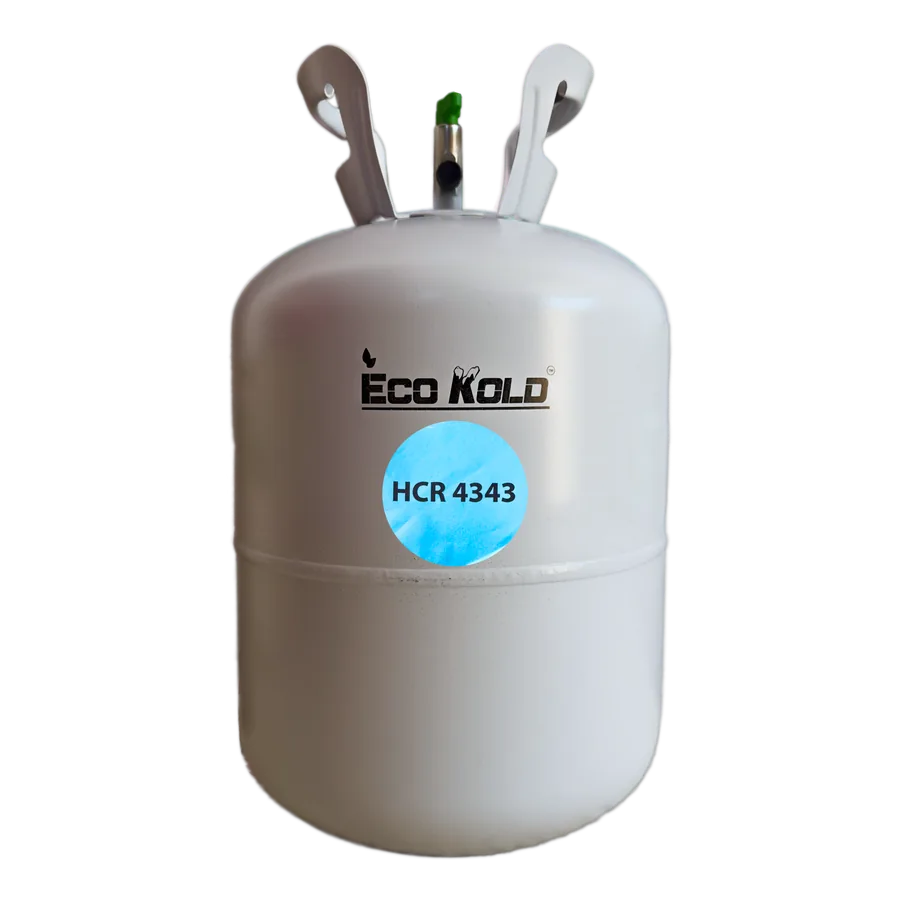
How an Eco Kold retrofit actually happens.
A complete weekend. Same compressor, same evaporator, same lineset. The whole job is: inspect the system, recover the legacy refrigerant, charge with 25–30% of what came out, sticker it, and verify pressures. Retrofit-ready, minimal to no equipment changes. Hydrocarbon refrigerant (ASHRAE A3, flammable); install by a qualified technician.
The retrofit, on screen.
A real Eco Kold install captured end-to-end. 2 minutes. No music, no narration, just the procedure.
Standard refrigerant kit, plus a hydrocarbon leak detector.
Nothing exotic. Any EPA-licensed technician with a standard recovery and recharge setup already has 90% of this list. The one addition is an HC leak detector: same form factor as a halide detector, calibrated for hydrocarbons.
Do not install Eco Kold if any of these are true.
Fix the underlying issue first. A retrofit on a system that's already out of spec doesn't recover: it makes the diagnosis harder later.
- The equipment is not running to manufacturer spec.
- There is a visible leak of the existing refrigerant.
- Loose electrical wires or connectors anywhere in the unit.
- The electrical box covers are missing or compromised.
- Any modification or change not to factory spec.
- Piping diameter does not match factory spec.
! Never mix Eco Kold with another refrigerant. Always recover the legacy charge to zero first.
Inspect, recover, charge, sticker.
From the official BHCR install instructions. Each step takes roughly 30 minutes on a typical commercial system; the longest single block is letting the unit stabilize after charging.
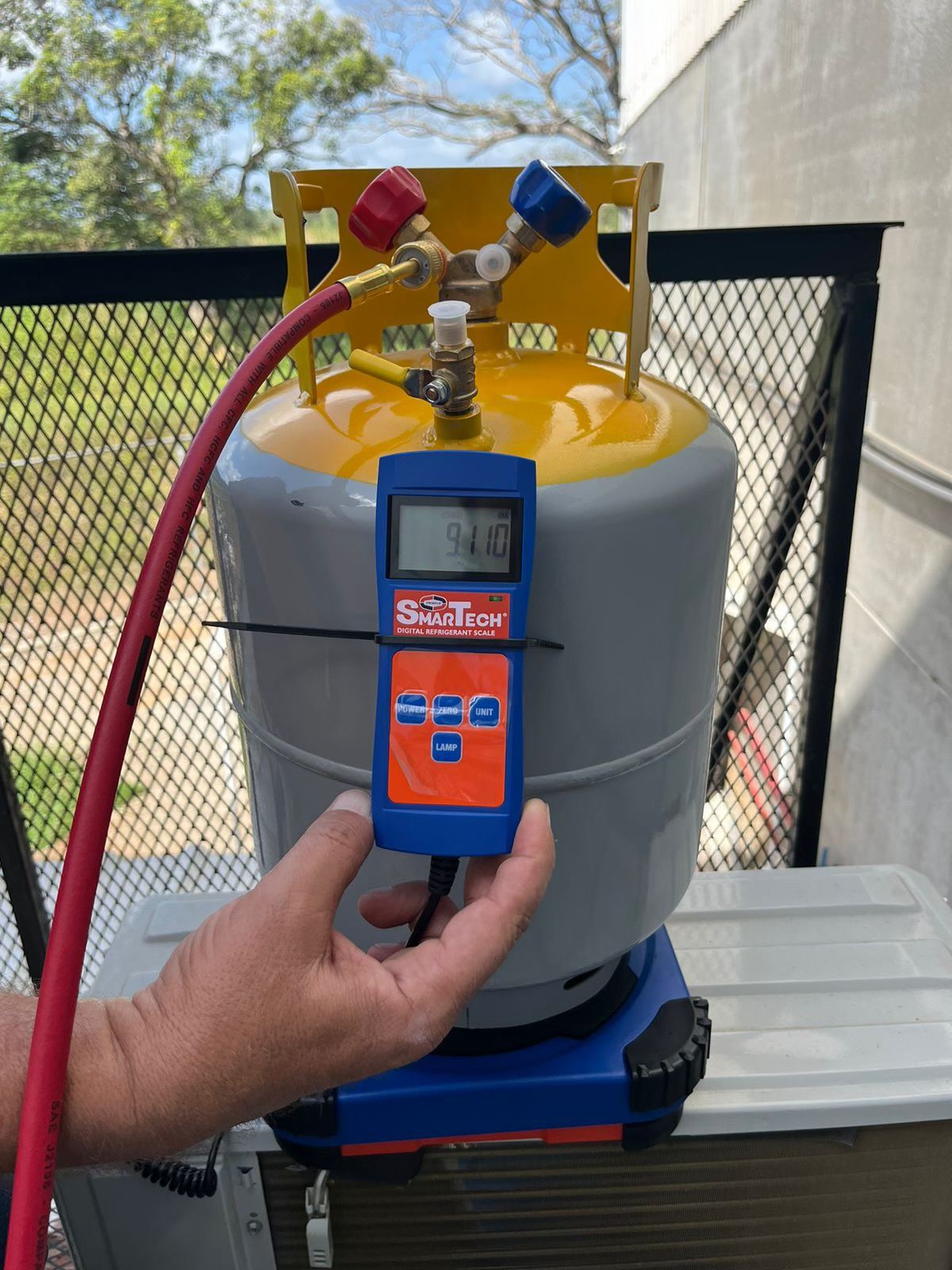 Before extraction · gauges in place
Verify the system is healthy before you touch the refrigerant.
- Complete visual inspection of the unit.
- Check for visible leaks, loose electrical connections, and proper electric-box covers.
- Install gauges to check working pressure.
- Check current amps and voltage.
- Check outlet temperature at the register and return temperature.
- If you typically work with superheat, take that reading too.
- Record all data: this is your baseline.
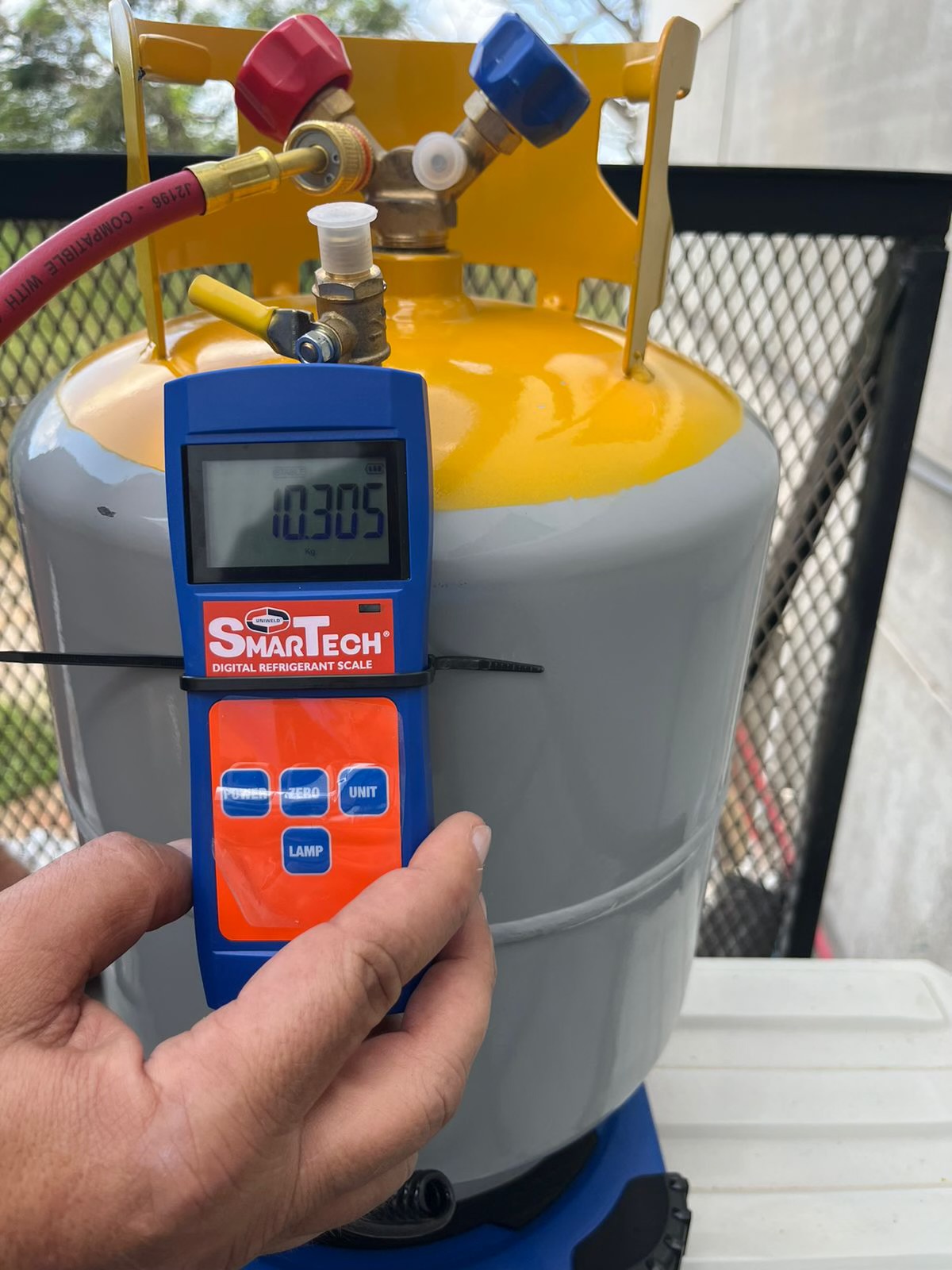 After extraction · ready for vacuum
Pull the legacy charge into the reclaim tank. Vacuum the system.
- Connect hoses to the recovery unit and the recovery tank.
- Put the tank on the scale; zero the scale.
- Recover the refrigerant, both liquid and vapor.
- When recovery stops, record the recovered weight in kg or lbs.
- Compare to the factory charge. If significantly less, inspect for leaks before continuing.
- Connect the vacuum pump. Pull a deep vacuum exactly as you would for any other refrigerant change-out.
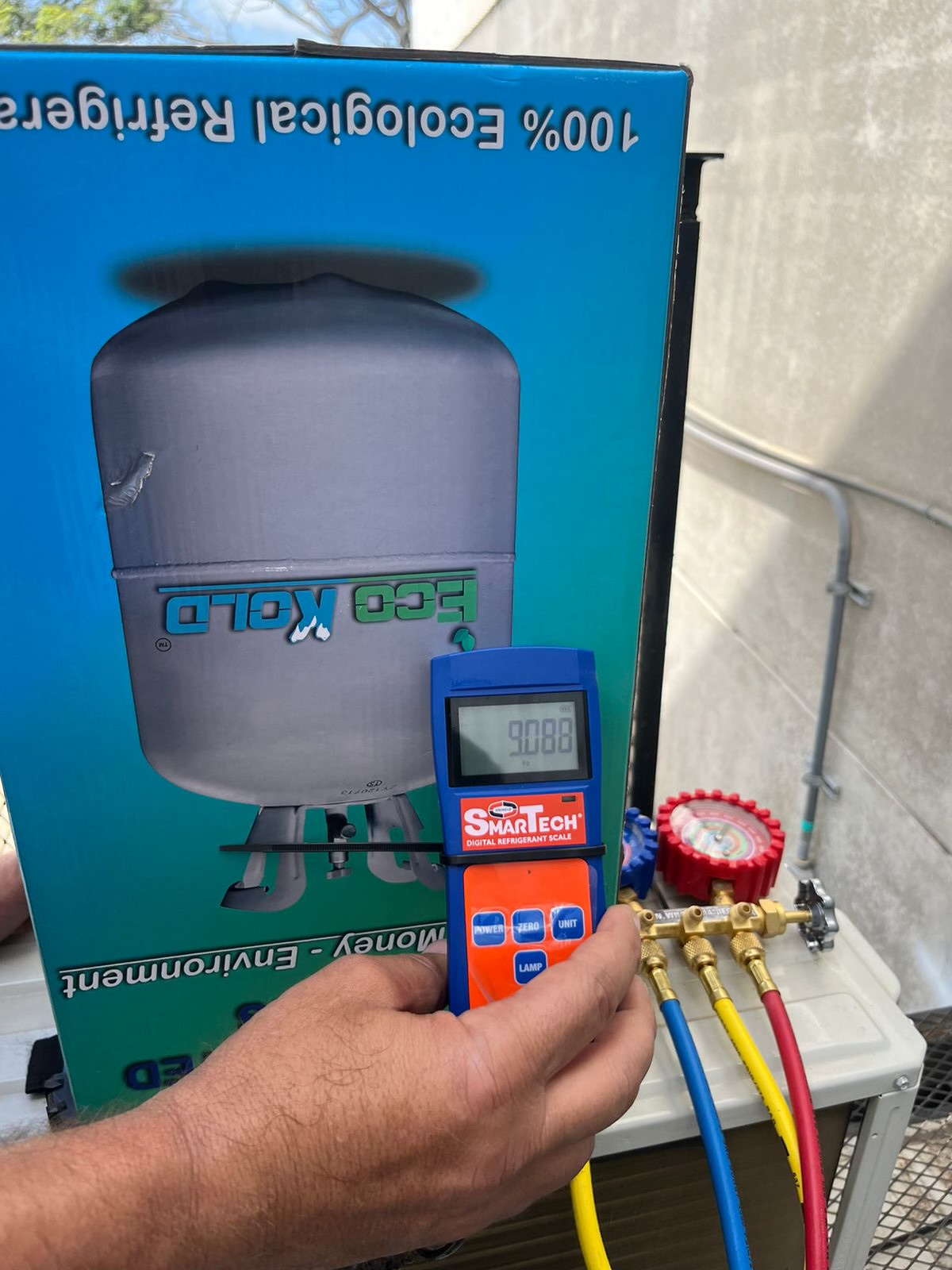 Before load · Eco Kold connected
Charge in liquid stage, slowly, at 25–30% of what came out.
- Connect the Eco Kold tank to the gauges.
- Charge in liquid stage. Eco Kold is a multi-component blend.
- Review and weigh the extracted amount. Calculate the new charge starting at 25–30% of recovered weight.
- Open the liquid side on the gauges very slowly to prevent hydro shock.
- After 25–30% is in, let the unit run ~30 minutes to stabilize.
- Check exit temperature: it should be equal to or lower than the baseline. Add more if needed.
- Maximum total charge: 35% of recovered refrigerant.
- Take final readings: pressure, amps, temperature. Record all.
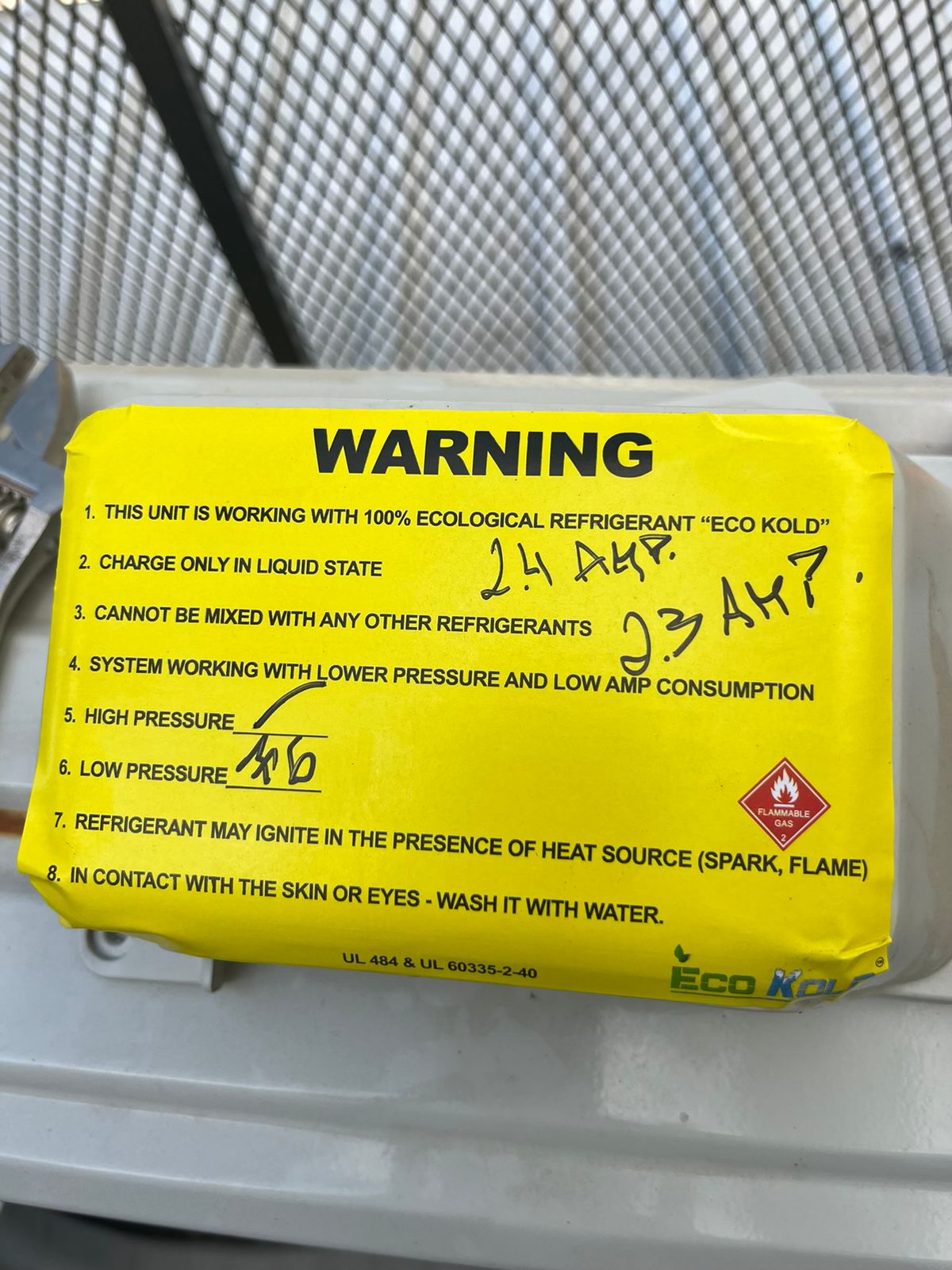 Sticker applied · ready for handoff
Sticker the unit so the next technician knows what's inside.
- Install the Eco Kold identification sticker on the unit so the next technician knows it runs on hydrocarbon refrigerant.
- Mark the new pressure and amps readings on the sticker.
- Recheck the unit the following day. The cooling space needs time to reach setpoint.
- Confirm exit temperatures match expectations after a full duty cycle.
1,000 g out · 250–300 g in.
This is the reason the install is fast and the operating costs go down. Eco Kold's density and heat-transfer profile let it carry the same cooling capacity at roughly one-third the charge weight. Less product, less pressure, less compressor strain.
Product-specific PDFs for each blend.
Same 4-step procedure, but with the exact charge math, pressure target, and replaces-which-refrigerant detail for each Eco Kold blend. Hand these to your technician.
Ready to retrofit a system?
Send us the equipment make, model, and current refrigerant. We'll match the right Eco Kold blend, quote pricing, and connect you with a certified installer in your region.